
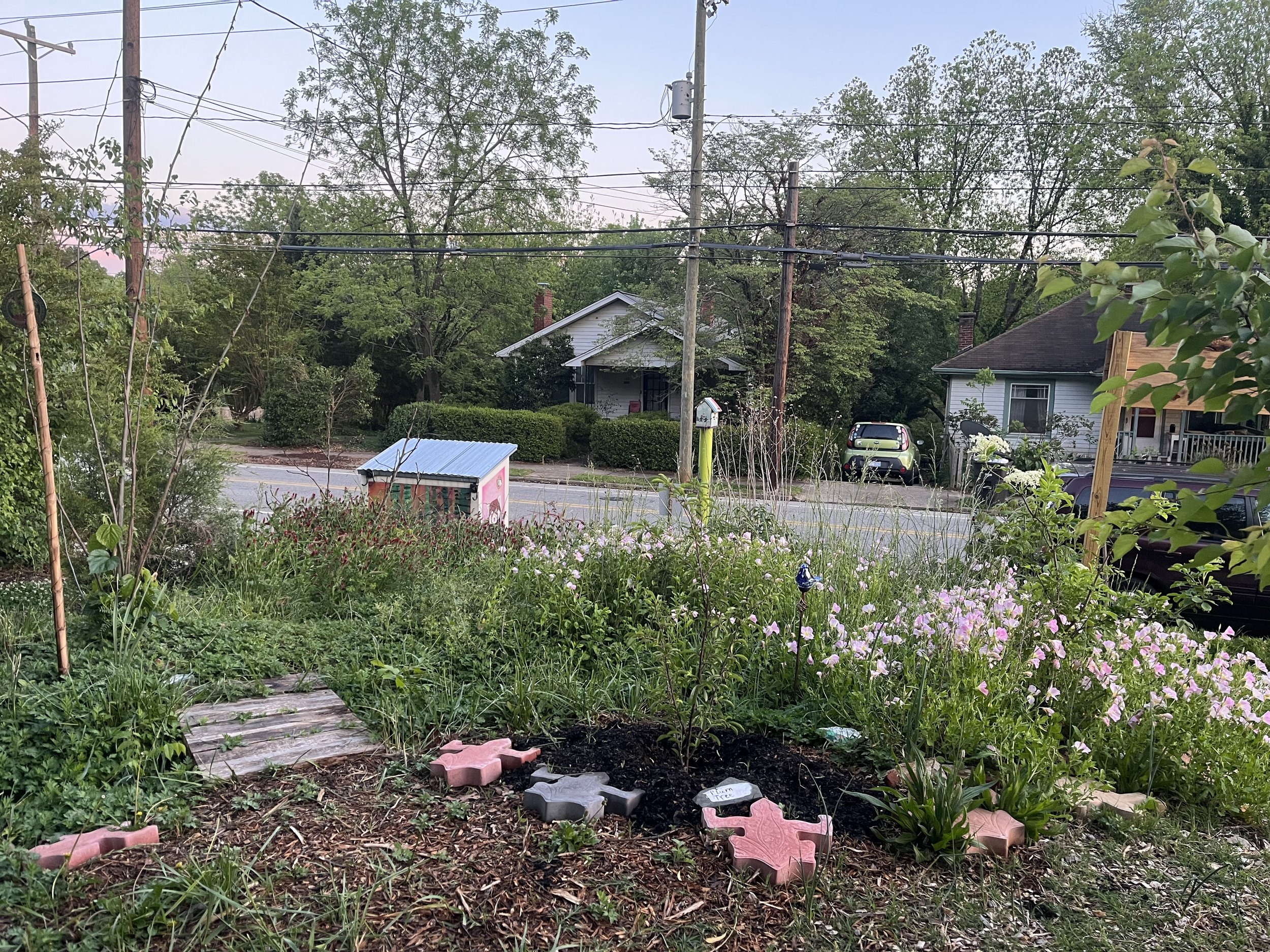
What is The Southside food forest?
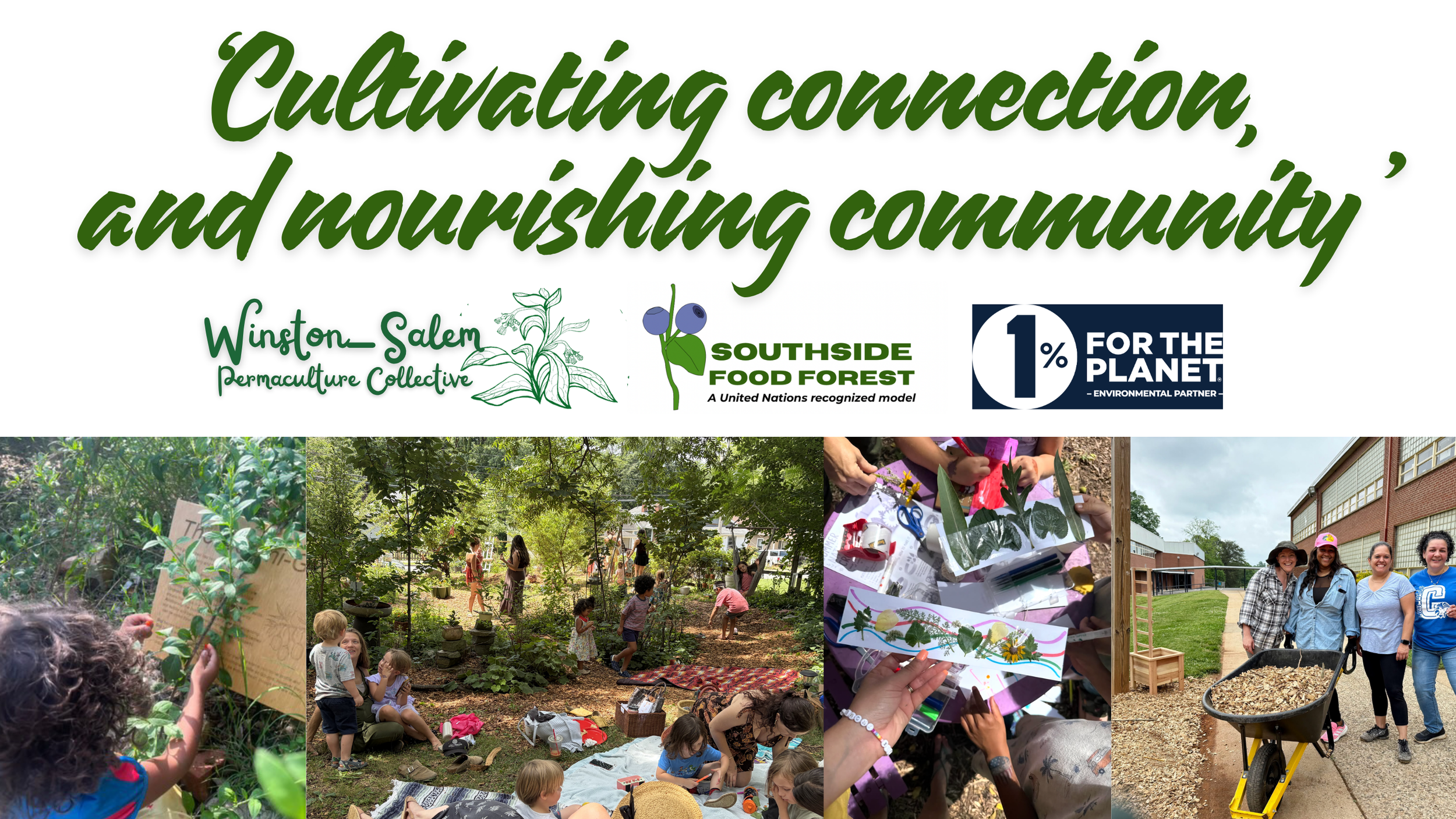
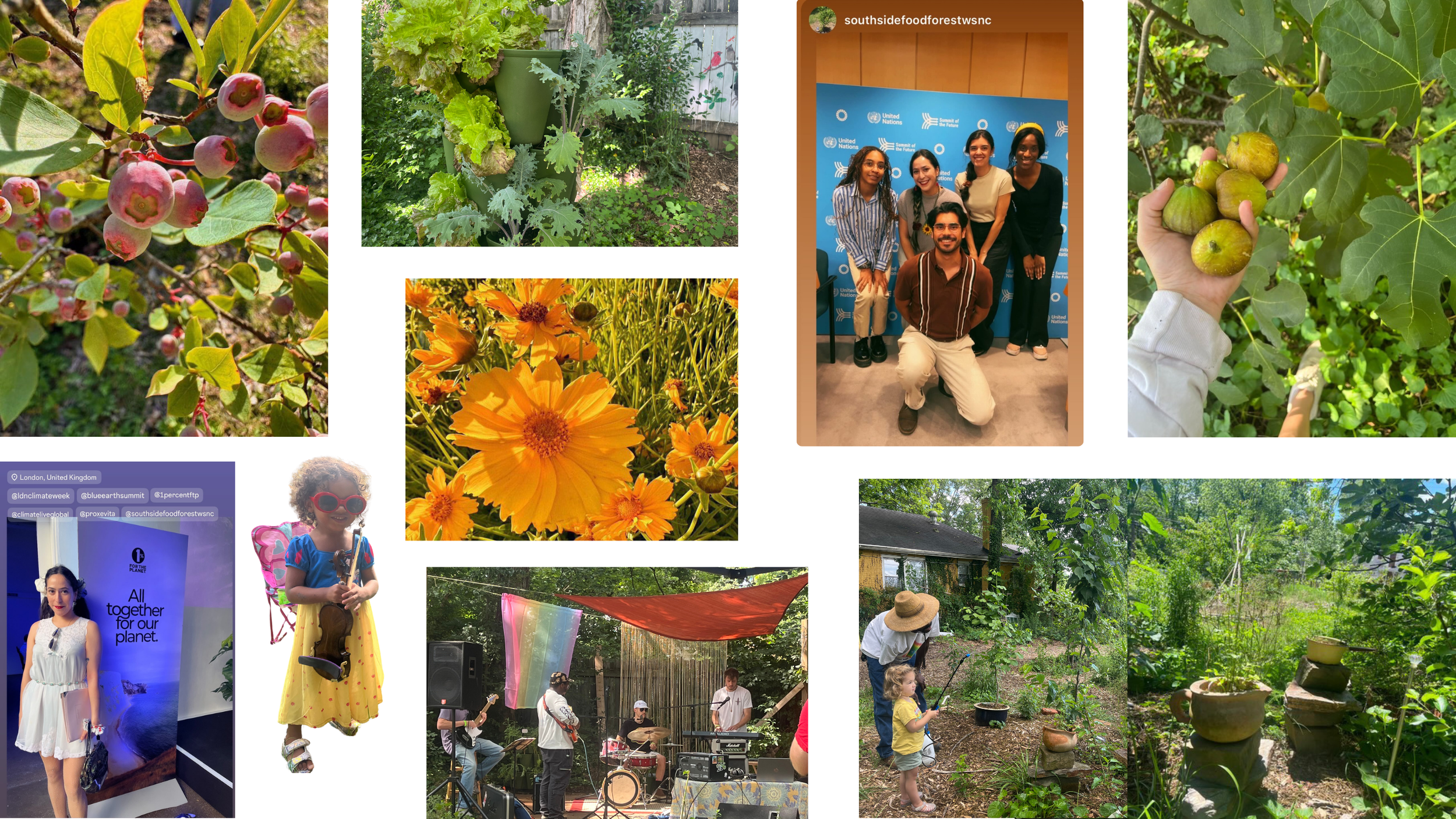
The Southside Food Forest in Winston-Salem, North Carolina is a United Nations-recognized, community-led permaculture model transforming a historically under-resourced food deserted area into a biodiverse ecosystem with over 70 plant species and a documented 1,000%+ increase in biodiversity.
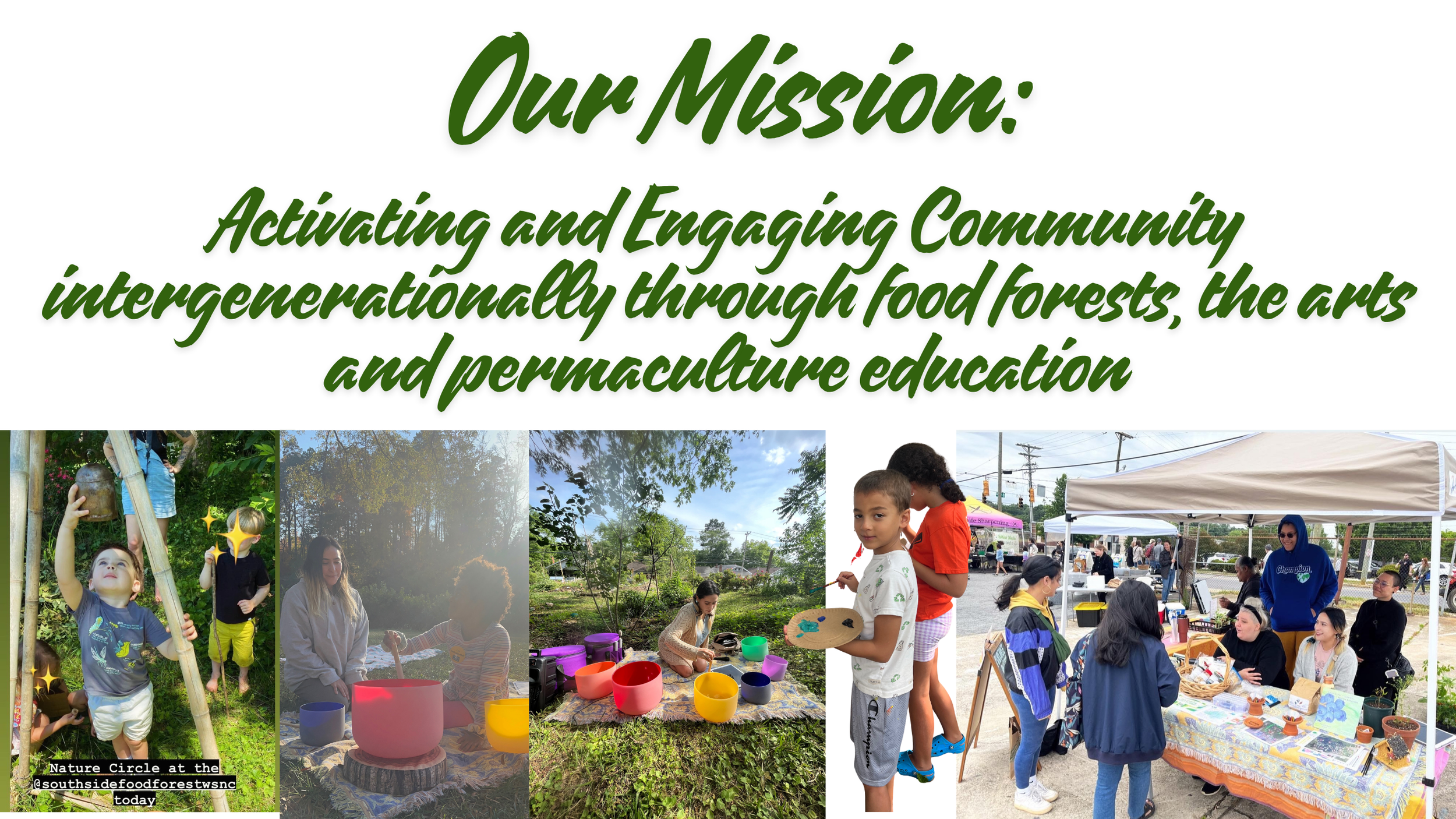
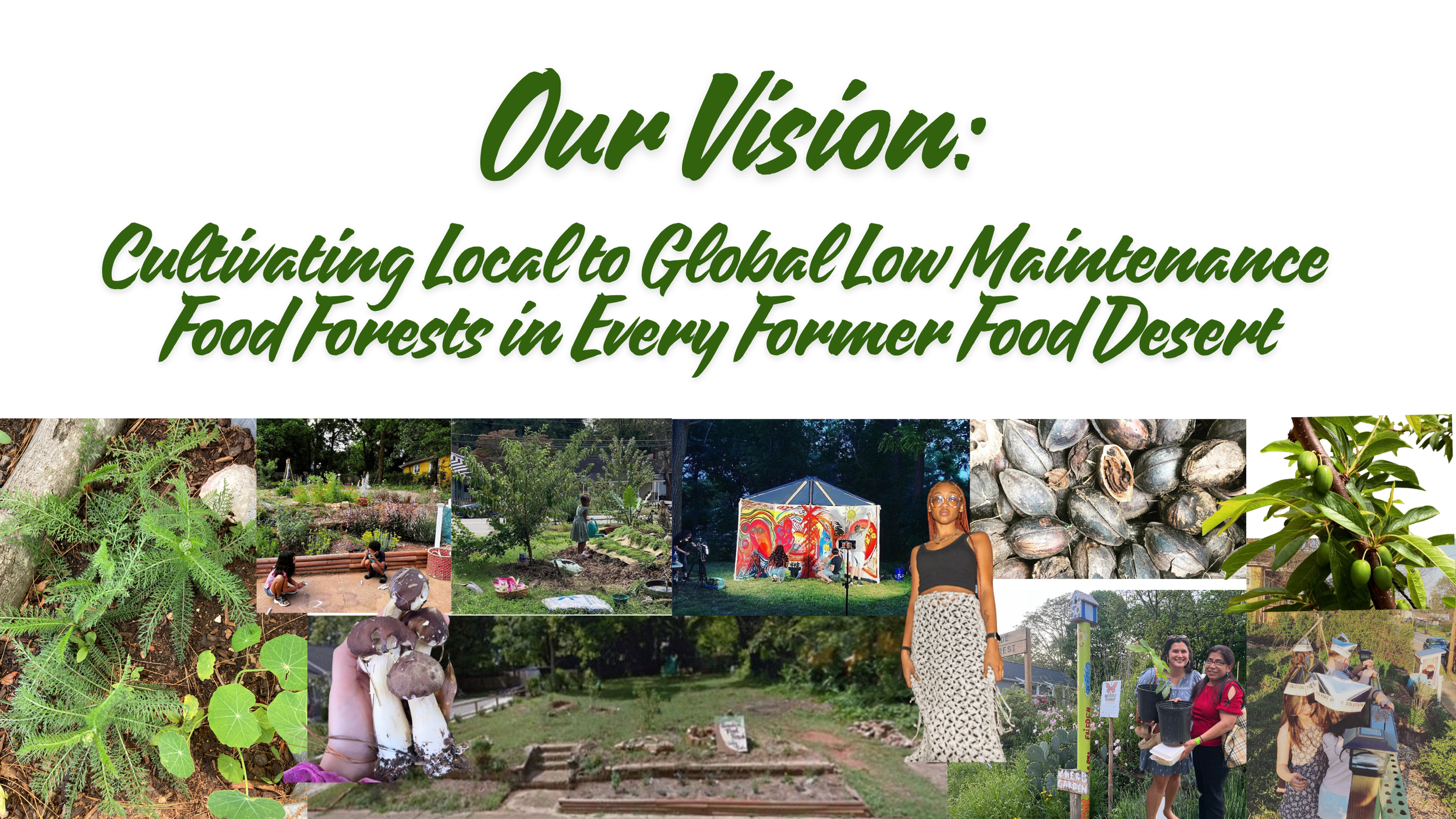
Through over 80 community events, workshops, and cultural activations, the project integrates environmental restoration with public health, food access, and intergenerational engagement, directly aligning with 10 of 17 UN SDGs and broader climate resilience strategies.
It represents a scalable, “local to global” model for nature-based solutions grounded in community leadership.
EST. 2018 @southsidefoodforestwsnc
© 2018-2026 Laura Carisa Gardea. All rights reserved. Southside Food Forest is a project of the Winston-Salem Permaculture Collective (501(c)(3)) .
CLICK HERE TO LEARN MORE ABOUT THIS MODEL
Arts empowered, youth led, & community driven, the Southside Food Forest restores biodiversity by over 1000% with permaculture, native plants, perennials, herbs, vines, trees & shrubs to produce food, medicine, & other eco-cultural benefits. At the same time, it supports the complex ecosystem chains we rely on for energy, wellness & nutrition.
@southsidefoodforestwsnc is “rain-fed” & low maintenance, making this a great model to support the nutrition & bio-resiliency of local food deserted communities with little downside.
per·ma·cul·ture
n. - the development of agricultural ecosystems intended to be sustainable and self-sufficient.
Beyond 'Human-centered' Permaculture is a living system for ethical land use infused with Traditional Ecological Wisdom (TEK) + Indigenous land wisdoms + techniques. Permaculture works with nature to support bio-diverse, resilient ecosystems.
A 'Permanent Agriculture' Permaculture integrates native plants + perennials that return + appreciate each year.
Permaculture is an agricultural design approach where communities partner with nature, nature & the health of living soil for the long-term benefit of the entire ecosystem which includes culture, biodiversity, individuals & community.
What is creative Placemaking?
Creative Placemaking is a collaborative process that uses arts & cultural activities to improve the physical & social character of a community. Creative Placemaking can address everything from Public Health, Safety, Economic Development, Environmental Sustainability & Housing. Creative Placemaking increases vibrancy, builds social connections, strengthens communities, creating a sense of place, identity, & instilling civic pride.
The Creative Placemaking process will look different in every neighborhood based on the challenges, inputs & needs the art means to address, but projects can include:
Murals
Street Painting & Carnivals
Busker Musicians
Public Art Sculptures
Public Seating
Repurposing Unused Space for Businesses
Space Creation for Recreation & Sports
We take this one step further…
We believe vibrantly healthy communities are made possible by linking the arts + cultural diversity to biodiversity, for biocultural + ecosystem regeneration.
